
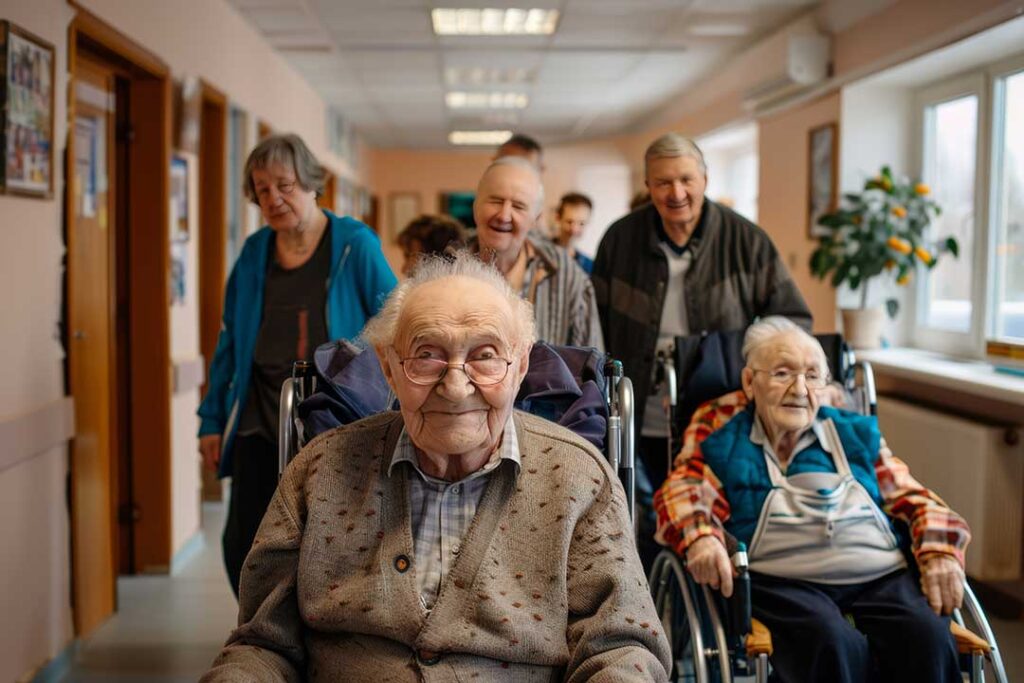
Loneliness can affect residents in assisted living even when other people are nearby. A person may feel isolated after moving from a longtime home, losing a spouse, experiencing health changes, or finding it difficult to join unfamiliar activities.
In Enola, PA, seasonal weather can also shape social routines. Cold winter days, summer heat, rain, and reduced daylight may make it harder for older adults to leave their rooms or participate in community activities. Managing loneliness usually requires more than simply encouraging someone to “be social.” The most helpful approach is personal, consistent, and sensitive to physical, emotional, and cultural needs.
Why can someone feel lonely in assisted living?
A resident may feel lonely because familiar relationships and routines have changed. Moving into assisted living often means leaving a neighborhood, home, church community, pet, or daily habits that provided comfort and identity.
Common contributors include:
- Grief after the death of a spouse, family member, or friend
- Hearing loss, vision loss, mobility limitations, or speech difficulties
- Depression, anxiety, memory loss, or fear of embarrassment
- Difficulty using phones, video calls, or other technology
- Feeling overlooked during group activities
- Differences in personality, interests, language, or life experience
- Family members who live far away or have demanding schedules
- A room location or physical layout that makes casual interaction less likely
Loneliness is not always visible. A resident may attend meals and activities but still feel disconnected. Another person may prefer quiet time yet have meaningful social contact through one or two trusted relationships.
How can staff and family tell whether loneliness is becoming a problem?
Changes in behavior may provide clues, especially when they continue for several weeks. Warning signs can include eating less, staying in bed longer, declining previously enjoyable activities, missing meals, showing unusual irritability, or frequently saying that nobody visits or cares.
Other signs may be less obvious:
- Spending nearly all day alone without appearing content
- Losing interest in personal care or room upkeep
- Repeatedly calling family members for reassurance
- Becoming unusually anxious before group activities
- Sleeping poorly or sleeping much more than usual
- Expressing hopelessness, worthlessness, or a desire not to live
Persistent sadness, major changes in appetite or sleep, confusion, or statements about self-harm should be taken seriously. Family members or staff should promptly involve an appropriate medical or behavioral health professional when safety or depression may be involved. Loneliness and depression can overlap, but they are not the same problem and may need different support.
What types of social connection are most helpful?
The most helpful connection is usually regular and meaningful rather than large or frequent. A resident who dislikes crowded events may benefit more from a short conversation with one familiar person.
Useful options include:
- A scheduled morning or evening visit from a family member
- Coffee, a card game, or a shared television program with one neighbor
- Reading aloud, listening to music, or looking through family photographs
- A small discussion group based on a resident’s interests
- Helping with a simple community task, such as arranging magazines or watering plants
- Writing letters or recording short voice messages for relatives
- Gentle exercise or a walk through an accessible common area
- Quiet companionship during meals instead of conversation-heavy activities
Activities should match the resident’s abilities and preferences. Someone who once worked outdoors may enjoy gardening-related tasks. A former teacher may appreciate reading with children or helping another resident with a puzzle. A person who values privacy may respond better to brief visits than to large gatherings.
How can a resident make friends after moving?
Friendships often develop through repeated contact, not through a single successful conversation. Sitting in the same dining area, attending a weekly activity, or greeting the same neighbors can create familiarity over time.
A resident may find it easier to begin with simple questions:
- “How long have you lived here?”
- “Do you like music, sports, books, or puzzles?”
- “Would you like to sit together at lunch?”
- “Have you tried this activity before?”
It is also reasonable to ask for help finding a compatible companion. Staff may know which residents share interests, life experiences, schedules, or communication styles. A good match does not require identical personalities; patience, kindness, and similar activity preferences may be enough.
Not every social attempt will lead to friendship. That does not mean the resident has failed. Building relationships in a new setting can take time, especially after grief, illness, or a major change in independence.
What if a resident has hearing, vision, or memory difficulties?
Communication barriers can make ordinary social interaction exhausting. Hearing loss may cause a resident to avoid group conversations because voices blend together. Vision loss may make unfamiliar rooms or activity spaces feel unsafe. Memory loss may cause embarrassment or make it difficult to follow a conversation.
Helpful adjustments include:
- Choosing quieter spaces for conversations
- Facing the resident and speaking clearly without shouting
- Using large-print materials or good lighting
- Explaining activities one step at a time
- Offering reminders before scheduled events
- Introducing the same people repeatedly and calmly
- Allowing extra time for responses
- Using familiar music, photographs, objects, or routines to support conversation

For residents with memory impairment, connection may come through comfort and recognition rather than a long conversation. Singing, folding towels, looking at family pictures, or sharing a snack can be socially meaningful even when the resident cannot remember names or dates.
How can family members stay connected from a distance?
Family contact is more effective when it is predictable. A brief call every Tuesday and Saturday may provide more comfort than occasional conversations that residents cannot anticipate.
Family members can:
- Keep visits or calls at times when the resident is usually alert
- Talk about familiar people, hobbies, past experiences, or current surroundings
- Bring seasonal photographs, handwritten notes, or familiar personal items
- Avoid testing memory with questions such as “Do you remember me?”
- Focus on listening instead of correcting every detail
- Coordinate with staff if the resident seems tired, distressed, or unusually withdrawn
For residents in Enola, winter weather and summer heat may sometimes make travel difficult. Regular phone calls, video visits with assistance, mailed cards, and recorded messages can help maintain continuity when in-person visits are not practical.
What should a resident do if activities do not feel welcoming?
A resident should not assume that discomfort means social activities are unsuitable in general. The problem may be the time of day, group size, noise level, physical accessibility, or activity format.
It can help to explain specifically what is difficult:
- “The room is too noisy for me to hear.”
- “I would rather participate in a smaller group.”
- “I need an activity with chairs and easy movement.”
- “I am interested in history, but not competitive games.”
- “I would like someone to introduce me before the activity begins.”
Staff can often make reasonable adjustments, such as offering a quieter setting, providing transportation within the building, changing seating, or identifying a smaller activity. Residents should also be included in planning rather than treated as passive recipients of activities.
When is loneliness a health concern?
Loneliness deserves attention when it affects eating, sleep, personal care, movement, mood, or willingness to seek help. A resident who repeatedly withdraws may need screening for depression, medication effects, pain, hearing problems, cognitive changes, or another health condition.
Immediate support is needed if a resident talks about suicide, self-harm, feeling unsafe, or having no reason to live. In an emergency, call 911. For urgent emotional support in the United States, call or text 988 to reach the Suicide & Crisis Lifeline.
The goal is not to make every resident constantly social. A healthy routine may include both solitude and connection. The key questions are whether the resident feels respected, has meaningful contact with others, can participate in preferred activities, and knows how to ask for support when isolation becomes painful.
